Web analytics & tracking specialists

Turn Your Marketing Data Into Decisions You Can Trust.

We build accurate analytics, conversion tracking and measurement systems that help businesses understand what is really happening across their digital marketing.

Analytics Overview

Sample report

Total Users

24,891

+12.5%

Conversions

1,245

+18.2%

Conv. Rate

5.01%

+2.4%

Revenue

$12,480

+21.3%

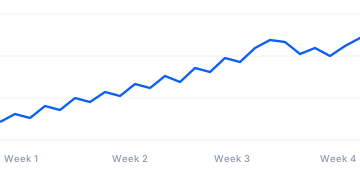
Line chart of users over four weeks trending upward, sample data

Illustrative data for design purposes.

Website

Google Tag Manager

Server-Side Tracking

GA4

Google Ads

Meta CAPI

Reporting & Insights

Google Analytics 4

Google Tag Manager

Google Ads

Meta

Shopify

WooCommerce

Looker Studio

BigQuery

The problem

Your Marketing Data Is Only Useful When You Can Trust It.

Many businesses lose valuable insight to incorrect tracking, missing conversions and data inconsistency across platforms. The numbers still fill the reports, so nobody notices.

Missing Conversions

Important leads, calls or purchases are not being recorded correctly.

Duplicate Events

Multiple tracking systems report the same conversion differently.

Data Loss

Browser restrictions, consent requirements and tracking limitations can affect measurement.

Attribution Gaps

You spend money on marketing without a clear view of what generates results.

Our services

Analytics Built Around Your Business

Analytics Implementation

Conversion Tracking

Server-Side Measurement

Reporting & Measurement

Not Sure If Your Tracking Is Working?

Find the gaps before inaccurate data affects your marketing decisions.

Why Web Analytics Experts

Better Tracking. Cleaner Data. Better Decisions.

Technical Expertise

Tracking implementations designed around real-world websites, checkouts, forms and marketing platforms.

Accuracy First

Every important event is configured, tested and validated before it is used for bidding or reporting.

Platform-Agnostic

We work across analytics, advertising, ecommerce and reporting platforms and fit your existing stack.

Built for Business

Tracking should answer business questions, not simply create more events.

Industries

Tracking Built for Your Business Model

What counts as a conversion changes with the business. These are the use cases we plan tracking around.

Product views, carts, checkout steps, purchases and refunds.

Forms, calls and qualified leads imported from the CRM.

Sign-ups, trials, activation milestones and subscriptions.

Professional Services

Consultation requests, bookings and long sales cycles.

Consistent tracking standards across client accounts.

Education

Course enquiries, enrolments and application steps.

Healthcare

Appointment requests with privacy-conscious collection.

Local Businesses

Calls, direction requests, bookings and store visits.

Resources

Analytics Guides and Articles

Conversion Tracking

Attribution models, counting settings and timing explain most of the gap.

Server-Side Tracking

First-party collection, control over data and the limits of the approach.

Consent Mode

The four consent signals, basic versus advanced mode, and how to test it.

FAQ

Frequently Asked Questions

Something else on your mind? Ask us directly.

Google Analytics 4 is Google’s current analytics platform. It measures websites and apps with an event-based data model, where page views, clicks, form submissions and purchases are all recorded as events with parameters. It replaced Universal Analytics, which stopped processing data in July 2023.

Common causes are a tag that fires on the wrong trigger, a changed thank-you page, consent settings that block the tag, a checkout on another domain, or conversions imported from GA4 with a different counting method. An audit checks each of these in Tag Manager Preview, the browser network log and Google Ads diagnostics.

Server-side tracking sends events from the browser to a server container you control, usually on a subdomain of your site, before they are forwarded to platforms such as GA4, Google Ads or Meta. It gives you more control over what data leaves your site. It does not override a visitor’s consent choices.

Not strictly, but for most businesses it is the practical choice. Tag Manager keeps tracking code in one managed place, adds version history and preview testing, and lets tags change without editing site code each time.

The Meta Conversions API sends conversion events from a server directly to Meta alongside the browser Pixel. When both send the same event with a shared event ID, Meta deduplicates them, which gives more complete conversion data.

Yes. The audit reviews GA4, Tag Manager, Google Ads and Meta conversions, ecommerce events, consent configuration and duplicate events, then gives you a prioritised list of issues and fixes.

Yes. We implement GA4 recommended ecommerce events from product views through purchase and refund, with transaction IDs, values and item data, and connect the same purchases to Google Ads and Meta. Shopify, WooCommerce and custom checkouts are supported.

Enhanced Conversions is a Google Ads feature that sends hashed first-party customer data, such as an email address, with a conversion. Google uses it to match conversions to signed-in users, which improves measurement when cookies are limited.

Consent Mode lets Google tags adjust their behaviour based on the visitor’s consent choices. Version 2 uses four signals: ad_storage, analytics_storage, ad_user_data and ad_personalization. It is required for sites using Google advertising features with visitors in the European Economic Area.

It depends on scope. A focused fix or a standard GA4 and Google Ads setup can take a few days. A full implementation with server-side tagging, several ad platforms and ecommerce events usually takes one to three weeks, including validation.

Know What Is Really Driving Your Results.

Build a measurement system you can rely on.

Scroll to Top